August 4, 2013 at 11:54 pm | Posted in Reviews | Leave a comment
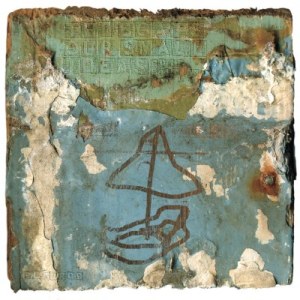
The Boats: Our Small Ideas
Reissue of an earlier album by IDM/drone/post rock/modern classical group The Boats, originally self-released on their own label which shares this album’s name. The songs are mostly pretty short, and often contain small clicky beats, acoustic instruments (guitar, xylophones and similar things, strings), plus crackling, ambience, field recordings, etc. “You Need To See Through Better Eyes” has some humming, and “Please Return” has a little bit of vocals, but “Raindrops Remain (First)” has full vocals, and I guess is the most poppy song here by default. “We Sometimes Forget” has vocals too, and they’re somewhat filtered/phoned-in-sounding, and there’s some deep bass thuds, and some sort of melting atmosphere in the background. “Procedure Details” has some soft beats with acoustic guitars in front. “This Song Has Been Intentionally Left Blank” does have some mysterious vocals and a veil of static. “They Gave Me This To Keep Quiet” has some more (appropriately) quiet, buried vocals. Tracks after that tend to be quieter instrumentals. “Raindrops (Version)” is a more synth-heavy version of “Raindrops (First)”. “Little Song At Little Time” gets a trip-hoppy remix by Aus. “The List Of Our Mistakes (Boats Remix)” has some static-drenched vocals, strings and glitchy guitar bits. “You Didn’t Expect Me To Care” has woodwinds, small clicky beats, bass, and some filtered vocals, and these elements swirl around a bit and you’re not entirely sure if it works at first. “May Our Enemies Never Find Happiness (Boats Remix)” has more heavily static-ed vocals and a tiny beat that blips panned left/right in the speakers.
August 4, 2013 at 11:41 pm | Posted in Reviews | Leave a comment

Black Bug: Reflecting The Light
I’m not sure why I didn’t post a review of this album to this blog back when we got it into the radio station back in April, but it’s one of my favorite discoveries of the year. Noisy synth-punk. Hell yes. Surprised I wasn’t aware of this group before. Short songs, distorted vocals, lots of synths. Just as much influenced by Chrome as by minimal-synth. Great super-paranoid lyrics (“you scream and scream but no one hears ya”). “Mask” sounds a hell of a lot like Blank Dogs, who has been strangely quiet lately, so I don’t mind hearing more music like that (even if I haven’t listened to any of my Blank Dogs records in years). “Police Helicopter” and “Nightstick” are synth instrumentals with computer voices, and are as sinister and paranoid as you would expect. I can get down with this any day of the week.
August 4, 2013 at 11:29 pm | Posted in Reviews | Leave a comment
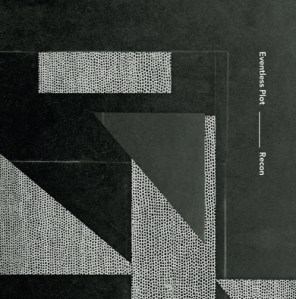
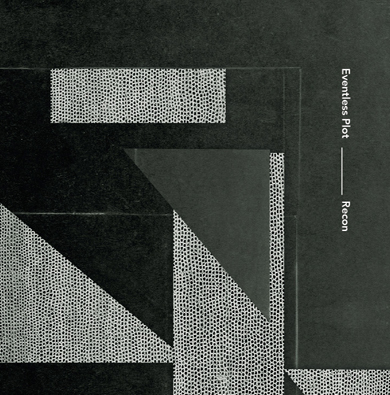
Eventless Plot: Recon
This is the type of electro-acoustic/improv/experimental album that I receive and kind of assume for whatever reason that it’s going to be too difficult for my tastes, and maybe it goes over my head on first listen, but then I keep listening and I love it. Very dark, uneasy atmospheres with groaning bass sax and laptop processing, and also harp and prepared harp, which definitely gets points in my book. Not music to make you feel comfortable, but music to keep you awake at night, trembling. Those high-pitched sine waves, those sawing instruments, those alien frequencies, those queasy horns, creaking-chair strings, swarming glitch fuzz… yikes, this is brutal. Love it!
August 4, 2013 at 11:11 pm | Posted in Reviews | Leave a comment

Poison Dwarfs: Labil
This was a promo Foxy Digitalis sent me last year to review, back when Foxy Digitalis was a thing, and I just never got around to reviewing it. I actually still have dozens of promos they’ve sent me that I haven’t even touched. This one I listened to when I got it, but it’s been sitting around untouched for months. Anyway, it’s a new (well, as of last year) album from a German post-punk group that’s been around since the early ’80s. I’m really intrigued to hear this group’s earlier stuff, because I’m all about ’80s cassette underground type stuff, and inevitably a new album from a group from that era isn’t going to sound the same as the earlier material. But for what this is, it’s still pretty impressive. Tense, sometimes dramatic post-punk with violent noisy bursts of guitar, crashing drums, and some jittery synths. Definitely some noisy no-wave similar to Swans and Neubauten and various Nick Cave projects, but also with quieter, beauteous moments, also like those artists. Some of the more atmospheric, sublime songs remind of me of some of Coil’s similar moments as well. “Transit Town” starts with dramatic horns and vocals, and ends with violent crashing noise. “Skid Row” has kind of a tricky rhythm and rapidly pulsing synths, and ends up messy, crashy and slurry. “Oh, Yes” is softer and piano-based, and is very much reminiscent of John Balance of Coil’s more ballad-y moments, but less electronic, and with some German lyrics. “Labil” is an interlude with spoken German vocals with various distortion effects, some busy-crowd sounds, rambling piano, and a noise burst towards the end. “Parade” has grinding noise guitars but a calmer (or at least quieter) rhythm. “Do It Again” starts with a creepy whispered part, but then turns into a nice rhythm, vocals sung in English and German, and screeching guitars, and then (fake) crowd noise at the end. “Es Ist Ein Shnitter” has an odd atmosphere, droning keyboards, and uncomfortably high-in-the-mix vocals in German. “Hans Im Gluck” is kinda crashing and ambling, doesn’t seem to get off the ground. “Serenade” is an interlude of pianos, crashing drums, some sort of bleating horn, nervous canned laughter, and a small crashing burst at the end. “I Do Like This” has dramatic keyboards and vocals and occasional crashing drums. “Weg Hier” is a jumble of various voices speaking at the same time, plus pianos and feedback noise. Eventually there’s some sinister laughter in there. Gets pretty dark and heavy. “Some Sort Of Content” starts by repeating a sample of a voice saying “art is going to die very quickly”, along with a clanging rhythm and caustic guitars. A paced drum set plays a rhythm and smashes cymbals with guitar bursts, and the voice says “some sort of content.”
August 4, 2013 at 10:53 pm | Posted in Reviews | Leave a comment
Anunziata/Ghost In Salad: split tape
Someone emailed me last year saying that they wanted to send me this tape for review, but I never received it. But it’s a
free Bandcamp download so I downloaded it and I’m reviewing it anyway. The Anunziata side is a 16 minute track called “Inspiration Stump”, but it seems to be like multiple tracks (or at least movements) combined into one. It starts with some mangled acoustic guitar (or other stringed instrument) and some lazy drumbeats, but then gets covered in ungodly distortion, and just gets the living hell pounded out of it. Mutated, backwards guitar is combined with softer acoustic guitar (maybe it’s a ukulele) and some wacked-out vocals come in, and then it just dissolves and turns into something else entirely. Then there’s some spare echo-covered drum machine beats and it just sounds physically ill and diseased. The beats get distorted and changed into big thick blobby shapes, there’s some muttering voices, and then harsh sickly guitars explode and scare the crap out of you. And then a lazy, sloppy indie-psych song pops up after all the diseased drum machines. A very disturbing bad trip, in the best way. Ghost In Salad has 4 shorter tracks on the tape, starting with thick harsh noise, but also throwing in confused, mumbled vocals. But then there’s a slow, crashing guitar-and-Casio bum-out, some extreme amplifier buzz with something faintly resembling a song trying to thrash its way out (and not succeeding), and then a Pumice-like minimal, broken guitar ballad.
August 4, 2013 at 10:18 pm | Posted in Reviews | Leave a comment
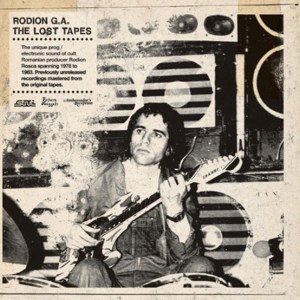
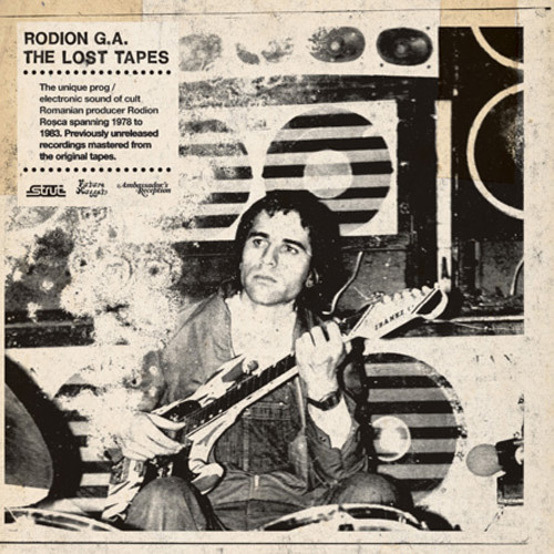
Rodion G.A.: The Lost Tapes
Another wacked-out lost-in-time out-of-nowhere unearthing that I’m more than happy to have WFMU introduce me to. I don’t know who finds this sort of stuff and brings it to public awareness, but I hope they never stop uncovering genius music like this. This music is the work of a Romanian producer from the ’70s and ’80s, and none of it has been previously released. It definitely comes from a prog/psych-rock background, but there’s thick, buzzy keyboards, loads and loads of fuzz, and big blippy primitive drum machine beats. A few songs have vocals sung in Romanian, and they definitely have Eastern European folk elements to them. There’s also some strangely proto-industrial sounding synth textures. More than anything, this whole album is just incredibly fun and playful. Definitely a nice discovery for fans of weird minimal-wave stuff, but obviously a bit different than that, given the whole Romanian prog/psych-rock aspect.
August 4, 2013 at 9:59 pm | Posted in Reviews | Leave a comment
Eugene Carchesio: Circle Music II
Room40 has released a few recordings by Australian composer Eugene Carchesio in the past year, including 2 volumes of
Circle Music. These albums consist of blippy, bubbly repetitive computer compositions which definitely have a circular feel to them. On
Circle Music II, they have an almost motorik pulse to them, and a definite rhythmic drive, sometimes resembling minimal techno like Plastikman. The tracks have no titles (other than letters) and they do sometimes tend to feel like variations of each other. “B” is a short pulse which is quickly reprised and added to in “C”. “D” is nervous and jittery, almost approaching Mark Fell territory, and has slivers of hi-hats. A few other tracks could have been made from drum machines that Krautrock artists like Cluster might have used.

Eugene Carchesio: Concert For One Person In A Small Room
seems to break things up a bit. The pieces tend to be way shorter than the longest tracks on the
Circle Music albums (no titles here, but there’s 24 tracks, most of which are about a minute or 2) and some of them seem more rhythmic and beat-driven, but they also seem more warped and obtuse. 3 almost has some sort of warped 2-step beat, you could actually mix it in with a Burial track or something. A few tracks have more Autechre/Schematic-ish IDM moments. 8 even has a wet, chattery techno beat. And then there’s tracks like 13 which might as well just be an amplified recording of a shower dripping. Some of it’s a little more straightforward, and some of it sounds like the artist might just be losing his mind. Or at least, his machines would be losing their minds, if they had minds to begin with. Perplexing but mostly pretty fun.
August 1, 2013 at 9:56 pm | Posted in Reviews | Leave a comment
Marina Rosenfeld: P.A. / Hard Love
Experimental composer and turntablist Marina Rosenfeld designed a soundsystem/installation which repositions ambient sounds from the exhibit along with electro-acoustic elements. This album is an album-length study of this installation, featuring cello from Okkyung Lee, and most surprisingly, vocals from Warrior Queen, best known for her brilliant work with The Bug. Hearing her familiar voice in such a different context (electro-acoustic drone) is such a startling culture shock, but the results are seriously intriguing, if nothing else. The radio promo sheet likens this album to an abandoned factory in Kingston, with echoes of dancehalls of past generations resonating, but I feel like this is more bleak and futuristic than that suggests. There’s plenty of glitching and buzzing computer sounds surrounding Warrior Queen’s voice, and on a few instances, her voices gets looped and stuttered. “New York / It’s All About…” begins with a few minutes of traffic sounds, glitching and droning, before Warrior Queen’s dancehall chatter arrives, sans backing rhythm: “It’s all about Marina Rosenfeld and Warrior Queen, seen? Check it!” “Seeking Solace / Why, Why?” is a dark, cold drone with Warrior Queen pouring her soul out about neverending pain in her heart. “I Launch An Attack…” starts with swarming synths and eventually drops a spare, thumping techno beat, before Warrior Queen starts rhyming at a different tempo without the beat, and eventually the beat comes back at its original speed, while Okkyung Lee’s cello sends chills down your spine. “New York / Empire State Of…” features more NYC street ambience, a few incidental beats, and more shuddering cello. You hear some disembodied New Yorkers’ voices, but no Warrior Queen. “HARD LOVE” is the only track on the album that attemps to match Warrior Queen’s vocals with something replicating a dancehall rhythm, but there’s a conspicuous absence of bass. The song’s chorus seems to riff on Donna Summer’s “Hot Stuff”, and Warrior Queen’s slick dancehall verse is cut in by glitching noises and moments of stillness. There’s a long period of beatlessness before the rhythm comes back in and the lyrics resume. “Liverpool / ‘Round Downtown By Myself / Tick Tock” features whispered dialogue, presumably from Rosenfeld herself, along with more traffic sounds and chiming electronic tones. The vocals softly imitate the ticking of a clock, and the album’s playing time runs out.
August 1, 2013 at 12:07 am | Posted in Reviews | Leave a comment
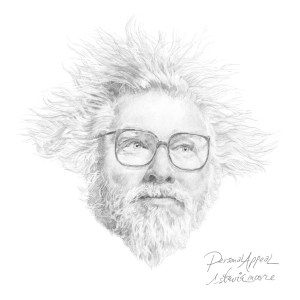
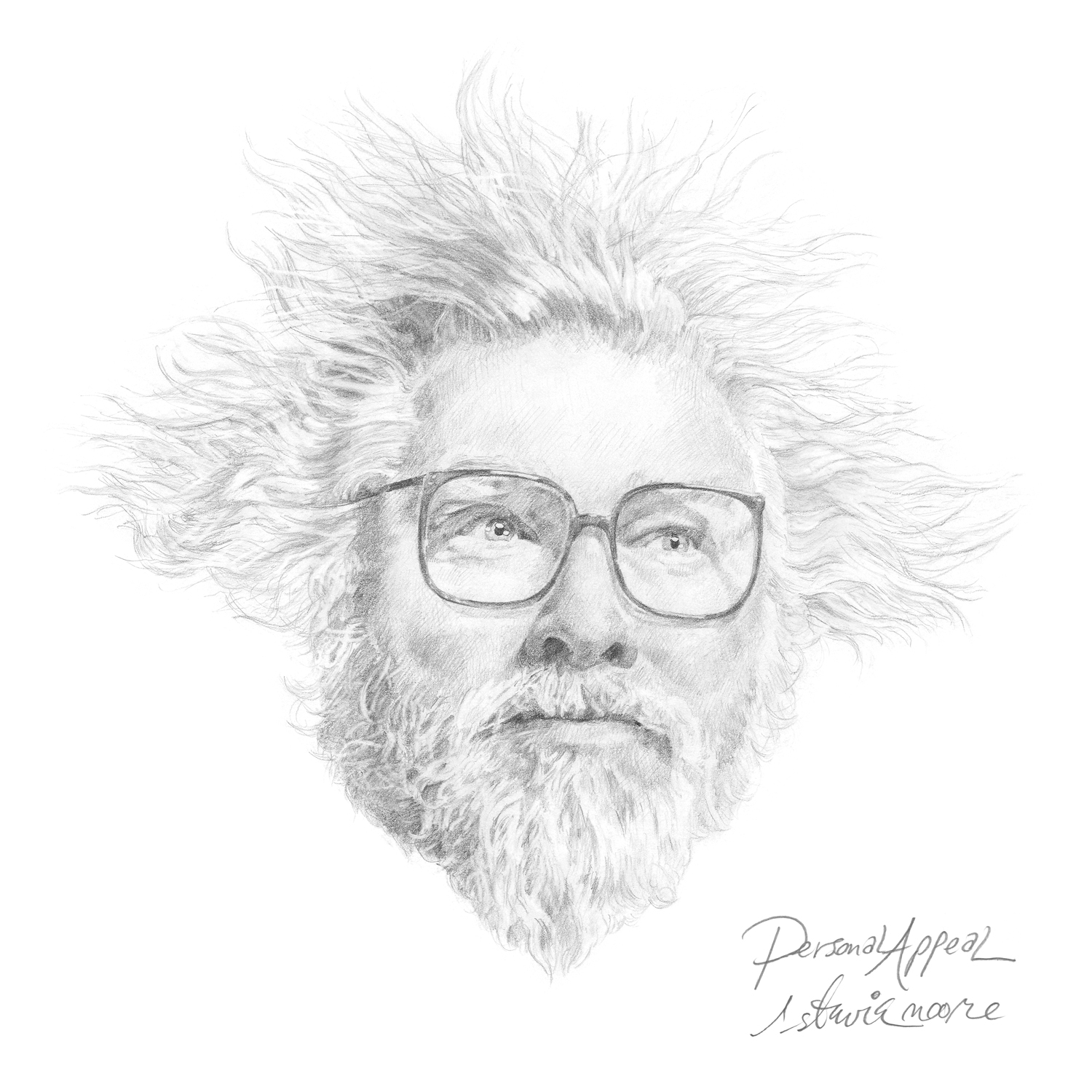
R. Stevie Moore: Personal Appeal
R. Stevie Moore has long been hailed as the godfather of lo-fi home recording, self-releasing hundreds of tapes and CDRs of his music dating back to the ’60s. Most of his vinyl and CD releases tend to be compilations of older material licensed for release by labels (some big, some small), and this appears to be another one of those releases. His website states that almost all of these songs were actually recorded in the ’70s, the only exceptions being tracks 10 (1981) and 11 (2000). The album fittingly starts with “Why Can’t I Write A Hit?”, which answers its own question, starting with seemingly accessible pop-rock with off-kilter vocal harmonies, but ending with slow creepy drone and a grating voice croaking out “the songs are too weird”. “Make Up Shake Up” features RSM singing in a faux English accent over classical strings (his website credits the backing to “Mozartronic”), and ends with a fake radio voice back announcing. “Old” has big bluesy guitar licks, a constant bell-ringing sound, and faux deep/old vocals. “Structure Of Love” is one of the longest tracks here at 4 minutes, and is a steady, slowly paced guitar instrumental, until the music gets interrupted around 2:45 with a faint voice announcing a technical problem with a splice, before the music resumes. “The Picture” is a sad, melancholy ballad about missing someone and masturbating to their picture. “Quarter Peep Show” is a goofy, hootin’ and hollerin’ echo-heavy bluegrass song about peep shows. “I’ve Begun To Fall In Love” is another strange, heartbreaking sick-love song, with melodramatic synth-string backing. “Pretend For A Second That You Are Very Intelligent” is almost sort of an outsider proto-rap song (recorded in 1978), with very spare guitar and drum backing and a steady vocal cadence, and some insulting spoken interludes, and a fuller arrangement towards the end. “Forecast” has another somewhat proto-rap cadence, which breaks into a rock’n’roll rhythm halfway through. “No Body” is another classic goofy RSM song, ridiculously catchy with silly vocals and lyrics about shampoo and washing hair, with very reggae-inspired dub echo every time he says the word “body”. “Man Without A Purpose” is a droney, minimal synth song with a little bit of guitar, drums and vocals. “Treat Me” has squonking jazz sax and another catchy, offbeat rhythm. “What We Did” is a drunken waltz with perverted, mostly quickly-spoken vocals, which pan wildly between the speakers. “Copy Me” is a catchy drum machine pop song where RSM basically dares you to bite his style. The album ends with a minute-long shrug called “I’m Sorry But Goodnight”. I’ve barely begun to explore this man’s catalog, so I can’t really say if this album is a fair or accurate sampling of his work, or if there’s better collections of his music available, but at the very least you should check it out if you’re not familiar with him at all.
July 31, 2013 at 10:58 pm | Posted in Reviews | Leave a comment

Jacqueline Humbert & David Rosenboom: Daytime Viewing
This is the first public release of a 1982 song-cycle by artist/composer/designer Jacqueline Humbert and electro-acoustic pioneer David Rosenboom. The album combines lush, minimal-synth, almost new-age synthesizer arrangements with spoken and sung vocals. and lyrics about being entranced by daytime television. The two “Talk” tracks are definitely in the Robert Ashley mode of spoken drama observations with minimalist music, although this music is much lighter in tone and poppier, and there’s sung vocals as well. “Bareback” is kind of an avant-country-pop song, with a series of “where were you?” questions for lyrics, and a sweet, almost saccharine arrangement and melody. Are those synths imitating accordions? “Domestic Violence” is almost relaxing and even chipper, and kind of cheesy-loungey around the middle (those synth-flutes!), until you realize the lyrics are about, well, domestic violence. Even if you’re not listening to the lyrics, the crying baby after the 5 minute mark will break you out of whatever pleasant mood the lyrics might be putting you in. “Distant Space” is another short avant-pop song, which in some weird way reminds me of some of Negativland’s jingle-like original songs (like “Happy Heroes”). “Wishes” alternates between melancholic sung choruses about wishing to visit New York, Paris, and L.A., and Algebra Suicide-like spoken verse about fashion and plastic, over an oddly gospel-inspired clapping synth-pop rhythm. Another fantastic release on Unseen Worlds, a reissue label which definitely seems to value quality over quantity. They only seem to release about 2 records a year, but the last few were ingenious works by Laurie Spiegel and Maria Monti, and this is another jewel in their crown.
« Previous Page —
Next Page »


 The Answer Is In The Beat